Hindu Panchang for Thursday, 10 September 2026 — Tithi Krishna Paksha Chaturdashi, Nakshatra Magha


॥ श्री गणेशाय नमः ॥ · Vedic Panchang for Prayers & Daily Living
Daily Hindu Panchang(दैनिक पञ्चाङ्गम् · Simple View)
Clear Vedic timings for daily puja, fasts, Abhijit Muhurat, Rahu Kaal, Choghadiya, and today’s spiritual energies.
Thursday, 10 September 2026
🕉️ Vikram Samvat 2083Saka Samvat 1948📅 Shravana (Amanta) / Bhadrapada (Purnimanta) Masa🌿 Uttarayana · Varsha Ritu
Surya (Sunrise/Sunset)Leo
06:03to06:32
Rashi: सिंह · Dinamana: —
Tithi & MoonKrishna Paksha
Krishna Paksha Chaturdashi
Ends at 10:34 AM · Moon in सिंह
NakshatraPada 3
Magha
Lord: Ketu · Deity: Pitris (Ancestors)
Muhurat StatusRahu: 01:51 – 03:25
Abhijit: 11:53 – 12:43
Most auspicious interval of the day
Meeus Engine · ~0.3°
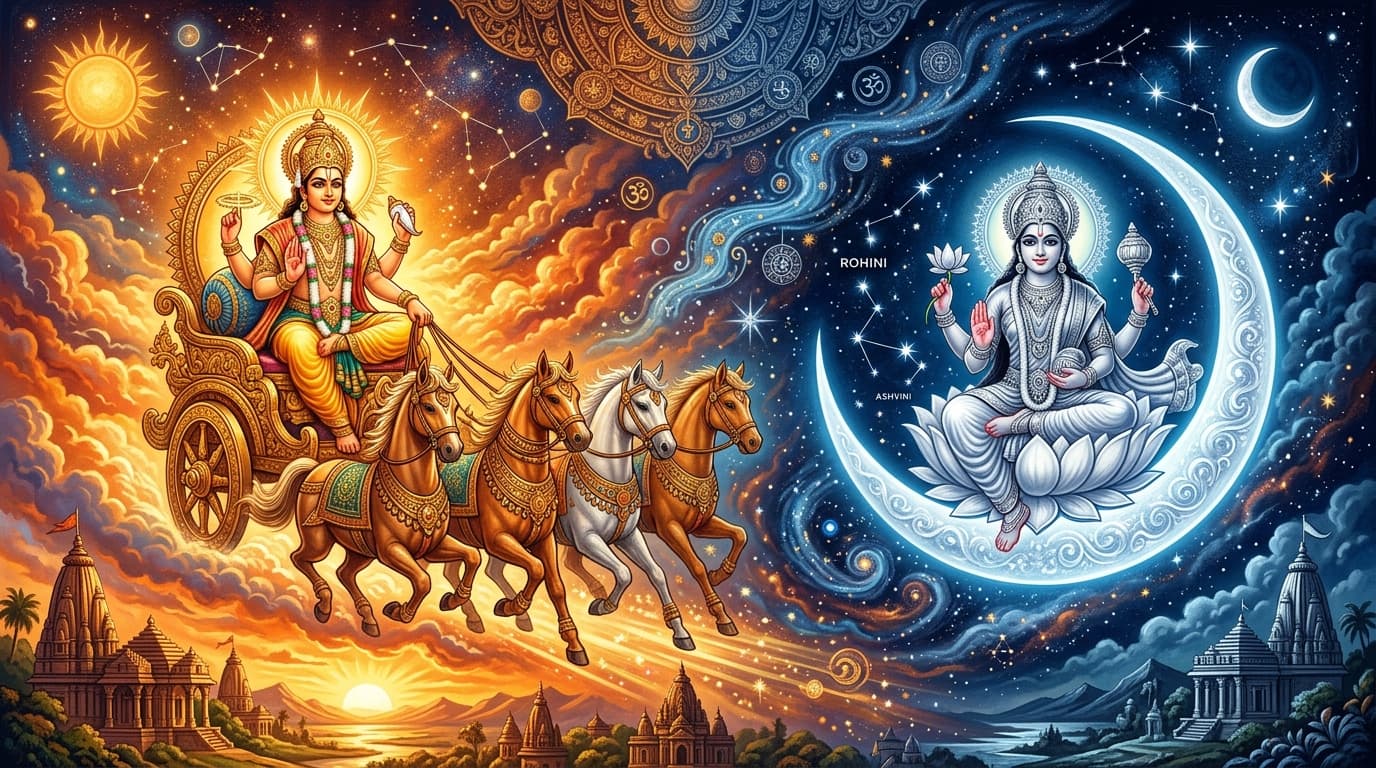
॥ सूर्यनारायणाय नमः · चन्द्रमसे नमः ॥
Solar & Lunar Ephemeris
Daily celestial cycles of Surya (Sunrise & Sunset) and Chandra (Moonrise, Moonset & Paksha phases) for astrological calculations.
☀️ Sun in Leo🌙 Moon in Leo
Sunrise & Sunset
06:03to06:32
Sun in Leo
🌅
Moonrise & Moonset
--:--to06:02
Moon in Leo
🌙
Paksha (Fortnight)
Krishna Paksha
Waning Phase (Dark)
🌑
Ayana & Ritu
Uttarayana
Varsha Ritu
🌿
🕉️ Vikram Samvat 2083Saka Samvat 1948📅 Shravana (Amanta) / Bhadrapada (Purnimanta) Masa
Pancha Anga(पञ्चाङ्ग)
The Five Cosmic Pillars of Vedic Time Measurement
Tithiतिथि
Krishna Paksha Chaturdashi
Krishna Paksha
⏱️Ends: 10:34 AM
Deity: Shiva (Lord of Transformation)
Governs spiritual energy, ritual suitability, and emotional balance.
Nakshatraनक्षत्र
Magha
Pada 3 • Lord: Ketu
Deity: Pitris (Ancestors)
Governs mental temperament, cognitive focus, and subconscious tendencies.
Yogaयोग
Siddha
Auspicious (शुभ)
⏱️Ends: 06:05 PM
Deity: Yoga Devata
Harmonious angular distance between Sun & Moon, influencing life longevity.
Karanaकरण
Shakuni
standard Karana
Deity: Brahma Devata
Half division of a Tithi, ideal for calculating success in financial actions.
Varaवार
Guruvara
Ruler: Jupiter
Deity: Lord Vishnu & Brihaspati
Day of the week, infused with the planetary frequency of its cosmic deity.
Auspicious & Inauspicious Timings(मुहूर्त एवं अशुभ काल)
Real-time calculations based on solar horizon angles
Shubh Muhurat (शुभ मुहूर्त)
Favorable periods for spiritual, commercial, and personal beginnings
Abhijit Muhuratअभिजीत मुहूर्त
11:53 – 12:43
Most auspicious 48-minute period of the day; removes all doshas.
Brahma Muhurtaब्रह्म मुहूर्त
04:23 – 05:13
Pre-dawn divine window ideal for meditation, yoga, and sadhana.
Amrit Kaalअमृत काल
06:53 – 07:43
Nectar period suitable for commencement of important work.
Vijaya Muhuratविजय मुहूर्त
04:02 – 04:52
Auspicious afternoon window for success in litigation, ventures, and journeys.
Godhuli Muhuratगोधूलि मुहूर्त
06:07 – 06:57
Twilight sunset moment blessed for puja and spiritual vows.
Ashubh Kaal (अशुभ काल)
Periods requiring caution; avoid starting journeys or new contracts
Rahu Kalamराहु काल
01:51 – 03:25
Avoid initiating major deals, travel, or sacred ceremonies.
Yamagandamयमगण्ड काल
06:03 – 07:37
Governed by Yama; inauspicious for signing financial contracts.
Gulika Kalamगुलिक काल
09:10 – 10:44
Governed by Saturn; repeat effects occur for events initiated.
Dur Muhuratदुर्मुहूर्त
11:53 – 12:43
Adverse astrological period; avoid beginning new journeys.
Disha Shool (दिशा शूल)Travel Advisory
Avoid traveling towards South (दक्षिण) today
Governed by Jupiter (Lord Vishnu & Brihaspati Deva). Undertaking new journeys in this direction carries subtle cosmic resistance.
Prescribed Vedic Remedy (निवारण उपाय)
Consume sesame before travelling South
Choghadiya Muhurat(चौघड़िया मुहूर्त)
Traditional 8-part daytime & nighttime muhurat divisions
| Choghadiya | Time Period | Suitability |
|---|---|---|
Shubh | 06:03 AM – 07:37 AM | Auspicious |
Rog | 07:37 AM – 09:10 AM | Inauspicious |
Udveg | 09:10 AM – 10:44 AM | Inauspicious |
Chara | 10:44 AM – 12:18 PM | Good |
Labh | 12:18 PM – 01:51 PM | Auspicious |
Amrit | 01:51 PM – 03:25 PM | Auspicious |
Kaal | 03:25 PM – 04:58 PM | Inauspicious |
Shubh | 04:58 PM – 06:32 PM | Auspicious |
Hindu Calendar(मासिक पञ्चाङ्ग)
Click any date to load its full Panchang, Muhurats, and Choghadiya
September 2026
Sun
Mon
Tue
Wed
Thu
Fri
Sat
30
31
1
2
3
AI Direct Answer • Vedic AlmanacDrik Siddhanta Precision
What is Today's Panchang, Tithi and Muhurat in New Delhi?
Today's Panchang for New Delhi on Thursday, 10 September 2026: The presiding Tithi is Krishna Paksha Chaturdashi and the active Nakshatra is Magha. The most auspicious Abhijit Muhurat falls between 11:53 – 12:43. The inauspicious Rahu Kalam window is active from 01:51 – 03:25. Sunrise is at 06:03 and sunset occurs at 06:32.